

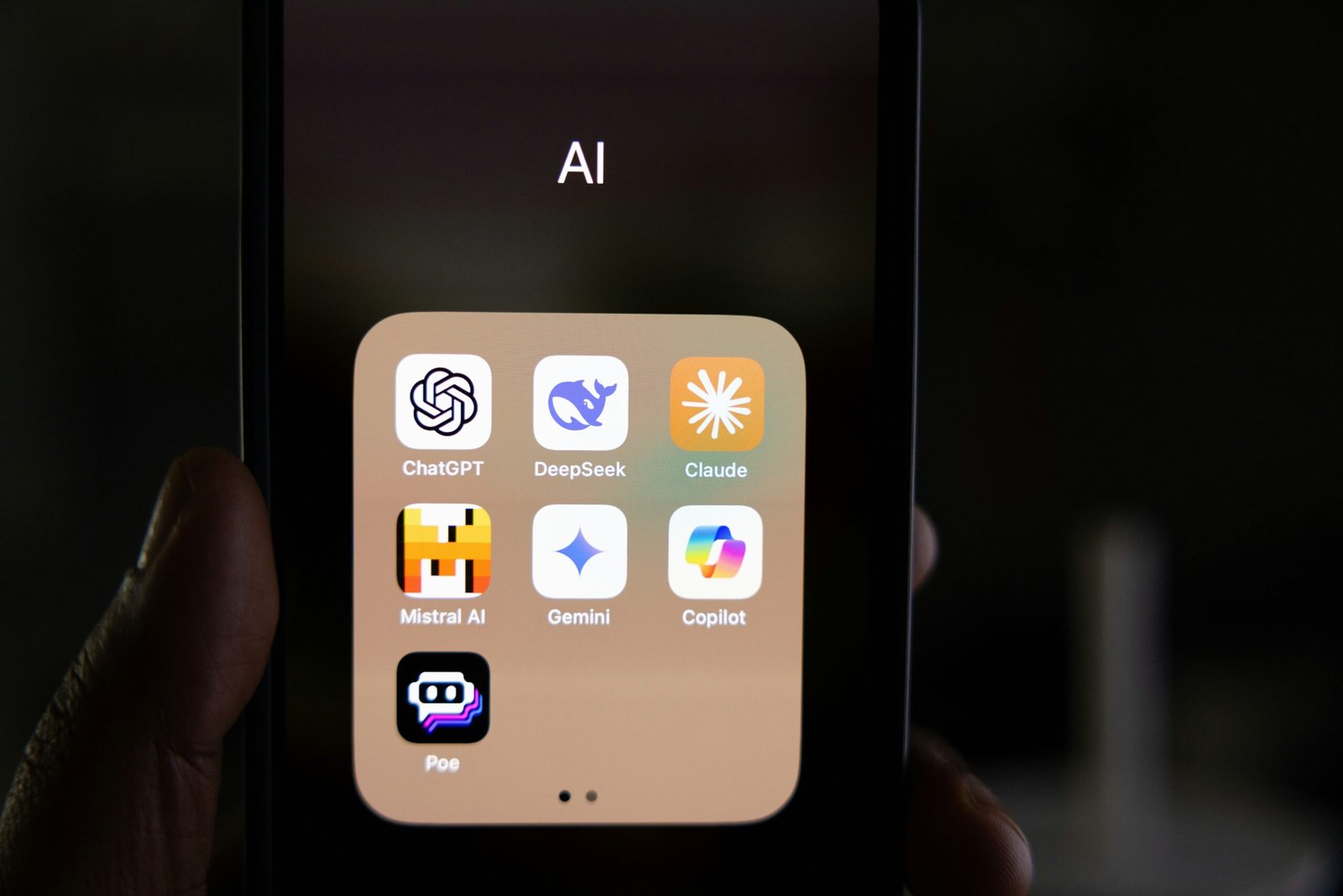

Claude for Healthcare is Anthropic’s “agentic” answer to ChatGPT Health

A week after OpenAI introduced ChatGPT Health, Anthropic is rolling out Claude for Healthcare—a healthcare-focused set of tools aimed at providers, payers, and patients, not just a consumer chat tab.
The shared premise: bring your health data into the chat (without training on it)
Both companies are leaning into the same big bet: if users can connect medical records + wellness data (phone, smartwatch, health apps), an AI assistant can help summarize, explain, and prep you for real-world care—while promising that this sensitive data won’t be used to train the models.
The difference: Anthropic is pushing harder on “workflow AI,” not just “patient chat”
OpenAI’s rollout reads like a patient-side experience first—a dedicated health space in ChatGPT where you can connect records/apps and ask questions.
Anthropic’s positioning is more “healthcare ops”: Claude for Healthcare highlights connectors and agent skills designed to speed up work that’s expensive, repetitive, and document-heavy.
What “connectors” actually mean here
Anthropic says Claude can connect into healthcare reference systems and research databases—things that people in the industry constantly bounce between—like:
- CMS Coverage Database
- ICD-10
- National Provider Identifier (NPI)
- PubMed
In practical terms, that’s Claude being able to pull the right context faster for tasks like coverage checks, coding lookups, and literature references—then assemble it into a usable output.
The flagship use case: prior authorization (aka the paperwork vortex)
Anthropic is explicitly calling out prior authorization as a place where AI can reduce burden: doctor submits extra documentation → insurer reviews → care gets approved/denied/delayed. Claude’s pitch is that connectors + agent-like tooling can speed up that review/documentation loop.
The uncomfortable truth: people are already using LLMs for health anyway
OpenAI says that, based on its de-identified analysis, 230M+ people globally ask health/wellness questions on ChatGPT each week—which explains why both companies are racing to “productize” the behavior with extra privacy controls and more structured experiences.
The real question: can they make this safe enough to be useful?
Healthcare isn’t like brainstorming a landing page. The failure modes matter:
- Hallucinations (confidently wrong answers)
- Over-trust (users treating a chatbot like a clinician)
- Data sensitivity (privacy + compliance + auditability)
So the most promising direction here isn’t “AI replaces doctors.” It’s “AI reduces the non-doctor work”—documentation, summarization, form-filling, coverage checks—while staying explicit that it’s not a substitute for professional medical judgment.
What to watch next
- How “agent skills” are constrained (guardrails, citations, escalation when uncertain).
- Real interoperability (how cleanly these tools plug into the messy reality of EHRs and payer workflows).
- Measurable outcomes (reduced admin time, faster approvals, fewer errors) vs. flashy demos.
Рассрочка платежей при лизинге обеспечивает финансовую стабильность компании.
купить сельхозтехнику в лизинг https://kommercheskij-transport-v-lizing04.ru/lizing-selskohozyajstvennoj-tehniki/