


The Rise of Vibe Coding
Why the Future of Programming Feels More Like Jazz Than Math
We’ve spent the last few decades treating code like math. Rigid, logical, and obsessed with structure. But in 2025, something strange is happening: coding is starting to feel… like a vibe.
Welcome to the era of vibe coding, where developers aren’t just solving problems; they’re expressing flow, aesthetic, and intention. This shift isn’t about abandoning fundamentals, it’s about rethinking how we connect to the machines we use daily. And it’s quietly redefining the culture of software development, especially among solo devs, indie hackers, and even design-first engineers.
So what exactly is vibe coding? Why is it taking over Twitter threads, dev Discords, and Figma-to-React workflows?
Let’s dive in.
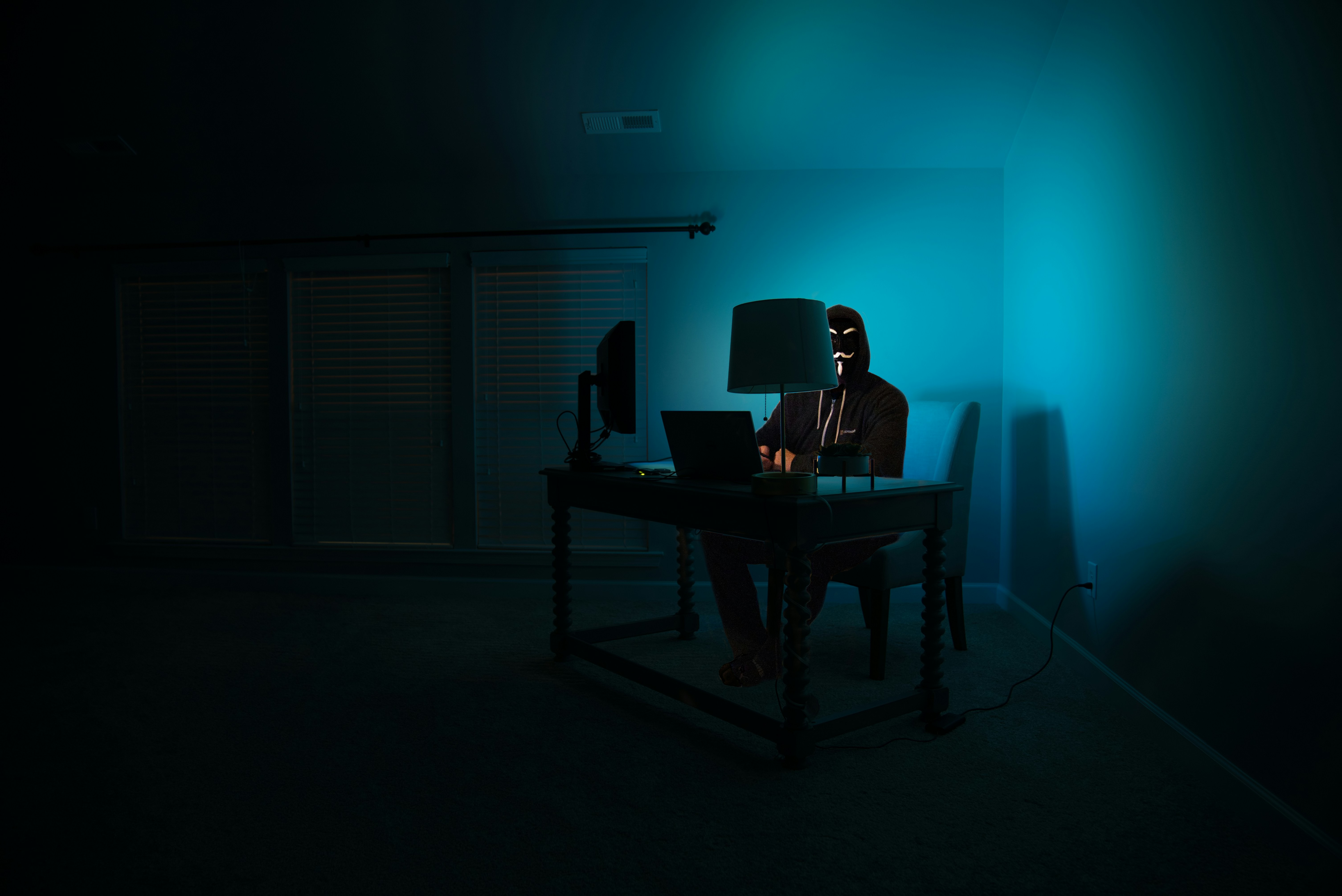
What is Vibe Coding?
Vibe coding is not a framework, it’s a mindset. It’s the idea that writing code should feel intuitive, expressive, and fluid, like creating music or designing a space. It’s when a developer prioritizes feeling over function then refines the function until it feels just right.
You’ve done vibe coding if you’ve ever:
- Refactored a file just to make it more “aesthetic”
- Changed variable names until they felt right, not just worked
- Designed a feature in Figma, then built it directly in Tailwind because “it was calling you”
- Chose between two logical solutions based purely on which one had better flow
Think of it like the difference between classical sheet music and freestyle jazz. Same notes, different soul.
From Function to Flow: Why It’s Catching On
There are a few cultural and technical shifts fueling the rise of vibe coding.
1. The Figma Generation Writes Code Now
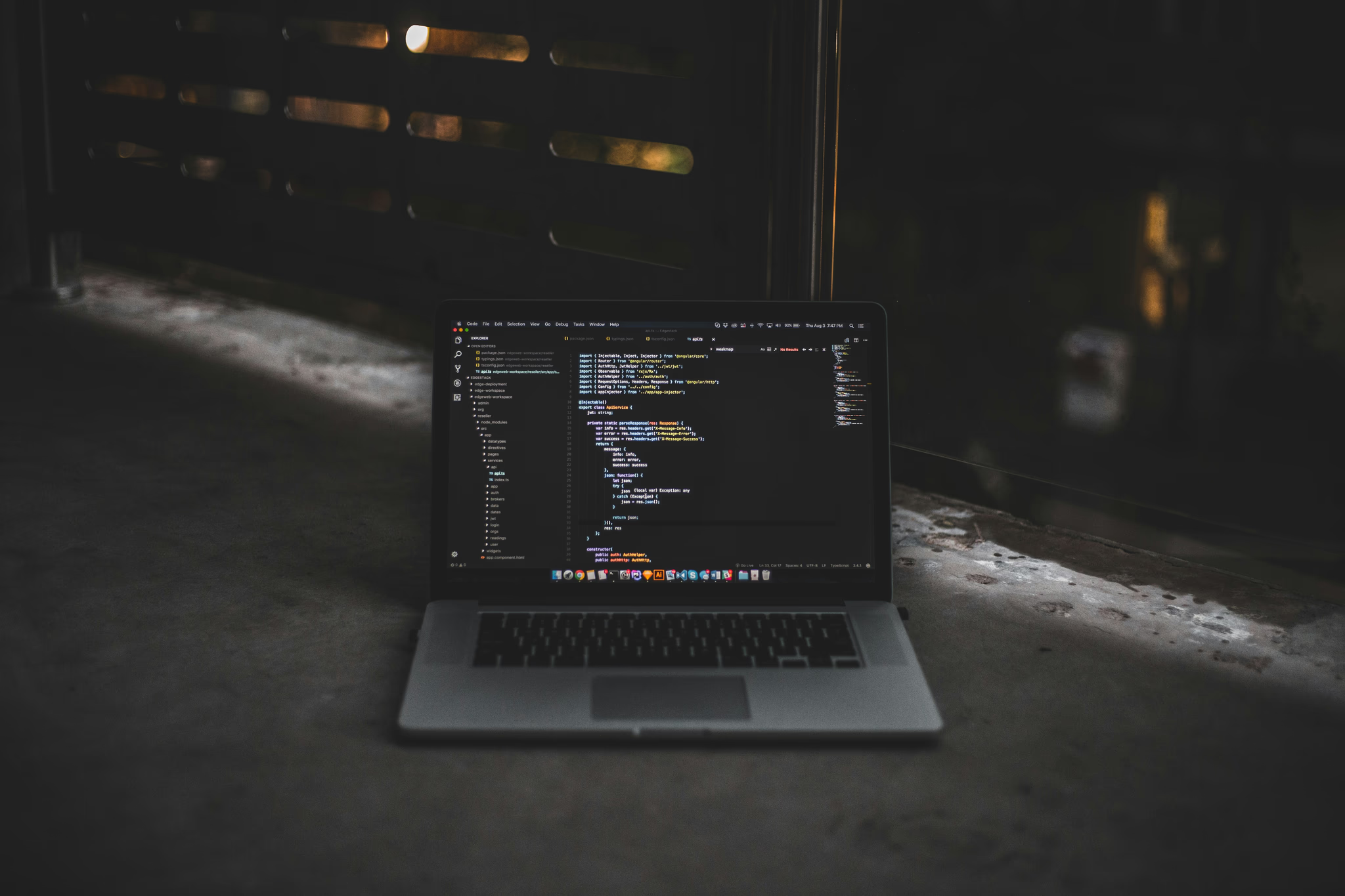
Designers aren’t just handing off wireframes anymore, they’re opening VS Code and pushing pixels with Tailwind or Framer Motion. These folks grew up in a world where layout, color, and motion mattered as much as logic. For them, CSS is not a language of constraint, it’s a medium of emotion.
This is why you’re seeing full websites built in one sitting with nothing but vibes, Tailwind CSS, and some Copy.ai text. It’s the frontend version of “I just needed to get this idea out of my head.”
2. AI Co-Pilots Are Handling the Boring Stuff
When ChatGPT or Copilot can scaffold your authentication logic, you’re left with the good part, the creative flow. Vibe coders lean on AI to write the boilerplate, freeing them to focus on shaping user experience, choosing micro-interactions, and sculpting intuitive flows.
You’re not solving the algorithm anymore. You’re orchestrating the rhythm of the app.

3. Indie Dev Culture is Aesthetic-First
Go on Product Hunt right now and scroll through new launches. Almost all of them are beautiful. They have micro-sites, gradients, playful copy, scroll effects. The code doesn’t just work — it looks and feels like someone cared.
These creators often share their work using phrases like:
- “This feels so clean”
- “This was a vibe build”
- “Didn’t overthink it, just shipped”
That’s vibe coding in its purest form.
Vibe Coding in Practice: Real Examples
Let’s make it real. Here are a few modern practices where vibe coding shows up:
✨ Tailwind CSS as a Creative Tool
With Tailwind, you’re styling in the flow of writing HTML. You’re not thinking about border-radius: 8px—you’re thinking “rounded-xl just hits better here.”
Developers are treating utility classes like brushstrokes. The result? Faster iteration, cleaner visual hierarchies, and fewer trips to Stack Overflow for that one CSS bug.
⚙️ Component Libraries with Feeling
Instead of dragging in entire UI kits, vibe coders craft lightweight components that feel human. Buttons don’t just work, they animate subtly. Cards have hover effects that suggest dimension. Modals don’t appear, they glide.
It’s not “necessary,” but it matters. You can tell when a dev built something in the zone.
🧠 Prompt Engineering as Code Composition
Prompting is now part of coding. And vibe coders treat it like lyric writing.
A dev might prompt ChatGPT like this:
“Give me a modern, aesthetic landing page with smooth scrolling, dark theme, and organic typography coded in Next.js with Tailwind and Framer Motion. Keep it chill, not too startup-y.”
It’s not about outputting code that compiles. It’s about outputting code that feels alive.

Is This a Productivity Killer?
Not at all.
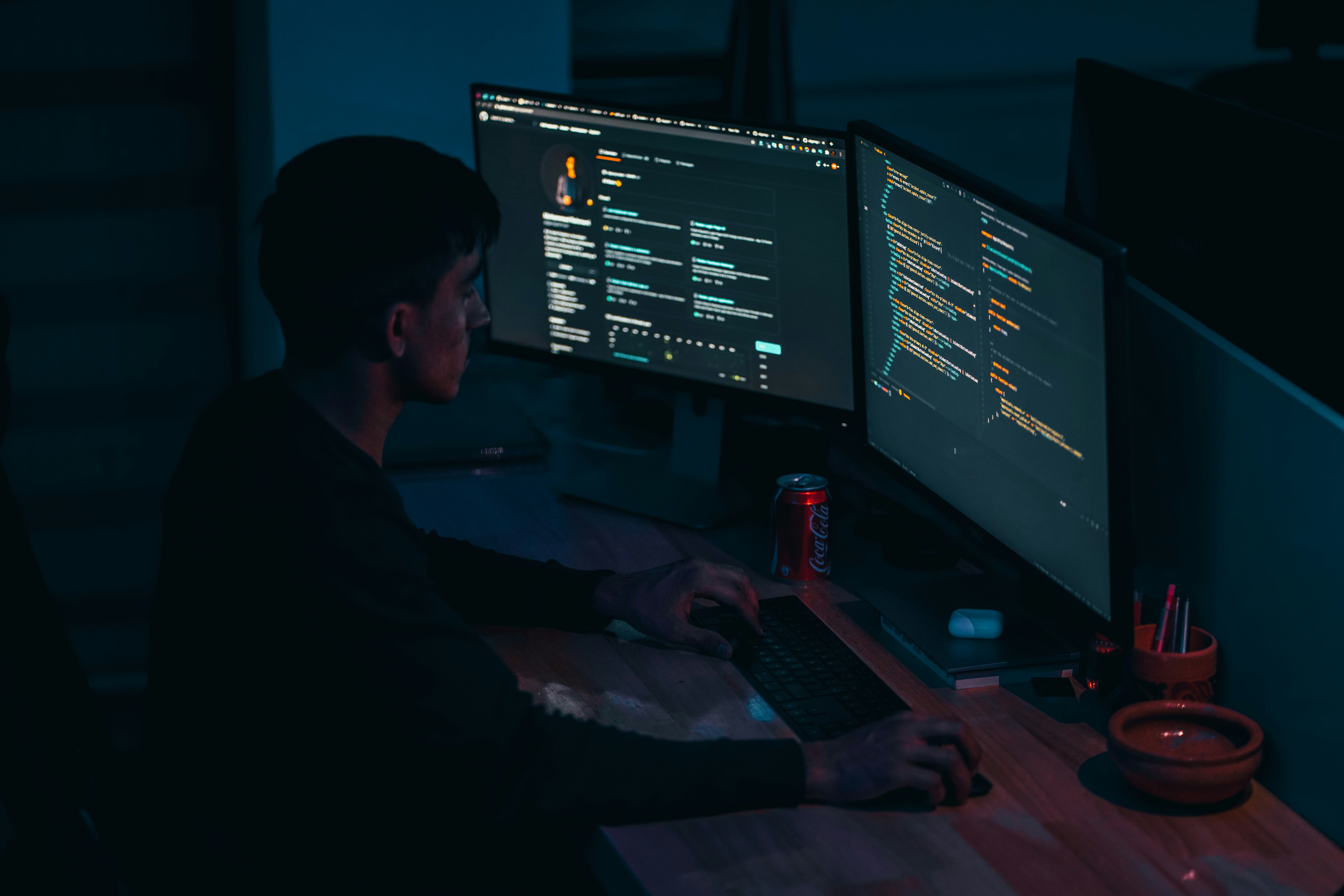
Vibe coding isn’t anti-productivity, it’s anti-friction. When you code by vibe, you reduce the time spent second-guessing yourself. You enter flow states faster. You ship faster. And your output tends to be more cohesive, less brittle, and surprisingly easier to maintain.
That’s because vibe-built products often have a voice. They’re opinionated, styled with care, and internally consistent. Which, if you’ve ever maintained someone else’s spaghetti app, is a dream.
Why This Matters
This isn’t just a cool term for dev Twitter.
It’s a signal that the culture of coding is evolving from something reserved for engineers to something shared by creators. Vibe coding is the bridge between design and dev, logic and emotion, speed and soul.
And as tools like Framer, Replit, and AI coding agents become more powerful, the people who build for the web will look less like engineers and more like multi-hyphenate creators. They’ll code because it feels good. Because the vibe is right. Because they have something to say.
Final Thought: Vibes Aren’t a Phase, They’re the Future
If this all sounds “too artistic” for programming, remember this: the first websites were chaotic, beautiful messes. The early internet was vibe-coded.
We’re just getting back to our roots with better tools, more taste, and maybe a few gradients.
So next time you open your code editor, don’t ask yourself if it’s correct. Ask yourself:
Does it feel right?