


The Future of Energy

Why Massive Grid Expansion Is Critical for AI and Electrification
A Power Crunch at the Heart of the Tech Revolution
The world’s technological ambitions — from artificial intelligence (AI) to electrified transport — are colliding with a fundamental constraint: the current electric grid. Rapid growth in data centers, computing services, electric vehicles (EVs), and industrial electrification is pushing demand to unprecedented levels. Without upgrading and vastly expanding the grid, we risk frequent power shortages, reliability issues, and setbacks in the clean energy transition.

Why Electricity Demand Is Surging
AI and Data Centers: The New Heavy Hitters
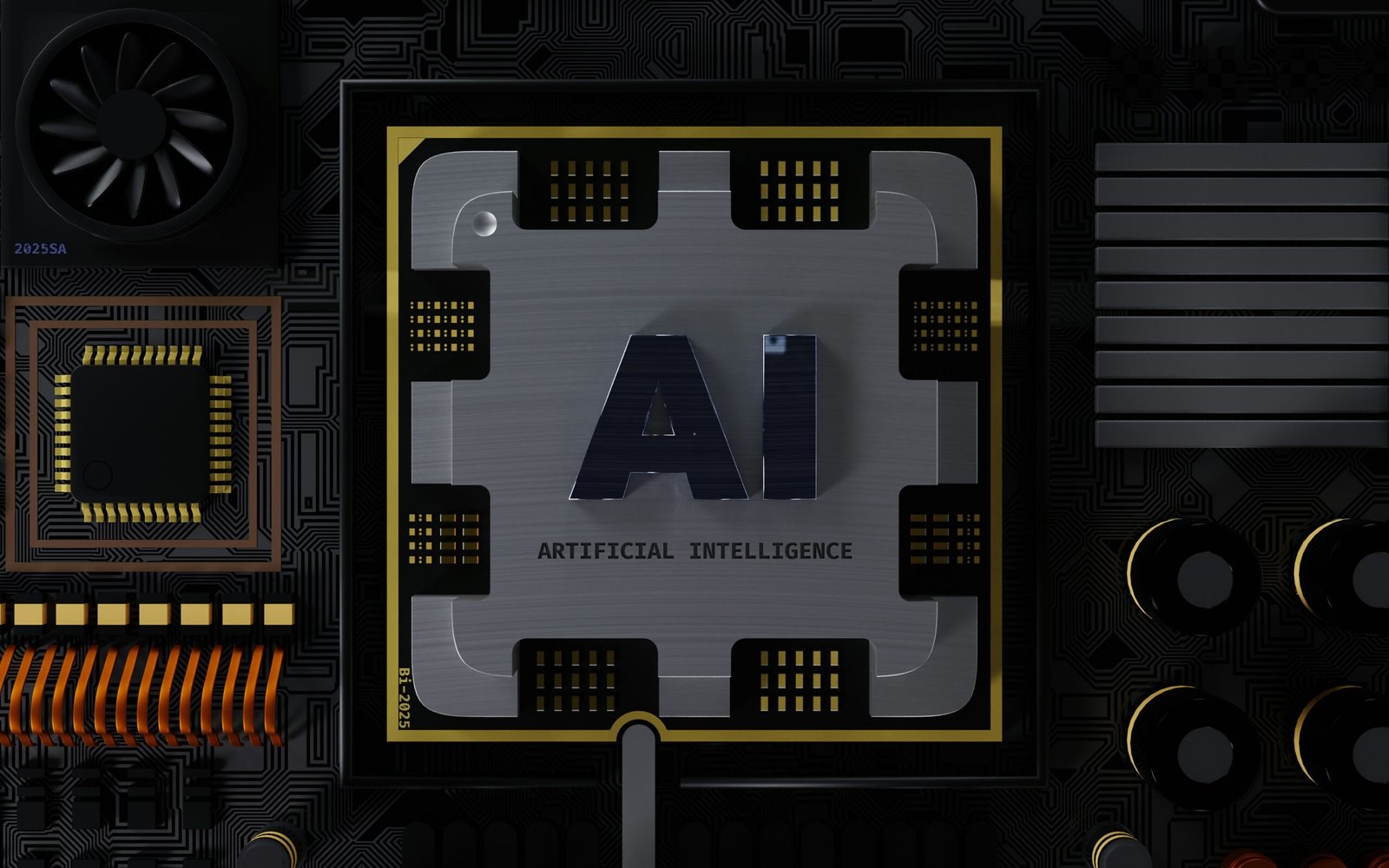
AI workloads, especially large language models and generative systems, run on hyperscale data centers — vast facilities that consume enormous electricity. U.S. data centers already use a significant share of national power, and forecasts suggest they could consume up to 9% of total U.S. electricity by 2030 if current trends continue.
This explosive growth isn’t isolated. Reports warn about looming electricity shortages in parts of the U.S. due to combined demand from AI, electrification, and industrial growth.

Electrification of Transport and Industry
Beyond data centers, electrification of transportation — especially EVs — adds major demand on power systems. As conventional internal combustion engines give way to electric motors, the grid must supply not just cars, but fleets, delivery networks, and charging infrastructure — especially during peak usage. This shift introduces new load patterns that challenge the existing grid’s design assumptions.
The Grid as Infrastructure: Modernization Is Not Optional
The U.S. power grid was largely built in the 20th century. Many transmission lines and substations are now outdated, with limited capacity to handle rapid load growth. Bringing AI data centers, EVs, and decarbonized industry online in a reliable way demands large‑scale expansion of both generation and transmission infrastructure.


Key reasons grid expansion is essential:
- Capacity increases: New transmission corridors and upgraded distribution networks are needed to move power where it’s most demanded.
- Reliability and redundancy: Modern grids must withstand outages and maintain service during peaks.
- Renewable integration: Solar, wind, and other renewable sources require sophisticated transmission planning to deliver intermittent power efficiently.
Globally, experts argue that tens of millions of kilometers of transmission lines will need to be built or refurbished to support net‑zero goals and growing electricity demand.
Battery Storage: The Linchpin of a Resilient Grid
Why Storage Matters
Battery energy storage systems (BESS) and uninterruptible power supplies (UPS) are becoming indispensable tools for grid stability. These systems store excess energy — from renewables or off‑peak generation — and supply it during demand surges or outages.
Without sufficient storage:
- Renewables like solar and wind face limits due to intermittency.
- Peaks in demand (e.g., morning EV charging) could exceed available generation.
- Grid operators must rely more on fossil backups, undercutting decarbonization goals.
Storage also supports AI and data center operation by smoothing demand spikes and providing fail‑safe power for sensitive computing infrastructure.
Emerging Storage Technologies
While lithium‑ion batteries currently dominate rapid‑response storage needs, long‑duration energy storage (LDES) technologies — such as flow batteries, iron‑air systems, and compressed air storage — are critical for seasonal balancing and large‑scale grid resilience.
Policy, Investment & Innovation: The Path Forward
Regulatory Moves
The U.S. Federal Energy Regulatory Commission (FERC) recently directed major grid operators to update rules for how AI data centers connect to power systems — reflecting how energy policy is adapting to compute‑driven demand spikes.
Private Sector Leadership
Companies across industries are investing heavily in energy infrastructure and storage — seeing both strategic benefit and market demand. Collaborative efforts, like automakers pivoting to energy storage production, showcase how private capital is driving solutions.
Clean Energy Integration
Clean energy leaders like California have shown that aggressive renewable deployment and battery build‑out can dramatically increase grid reliability while cutting emissions — providing a model for other regions.
Risks of Inaction
Without massive grid expansion and storage deployment:
- AI and electrification goals risk throttling due to capacity bottlenecks.
- Consumers could face higher prices and more frequent outages.
- The clean energy transition could stall as reliability pressures push operators back toward fossil generation.
Electrifying the Future
The future of energy intersects with AI, electrification, and sustainability in ways that previously seemed distant. A robust, modern electric grid — powered by flexible generation, extensive transmission, and resilient storage — is not just an infrastructure upgrade; it’s the backbone of tomorrow’s technology‑driven world.
By prioritizing grid expansion today, we can ensure that the AI revolution and electrified economy flourish without compromising reliability, cost, or climate goals.