

Google’s Gemini Will Power Siri: What It Means for Apple Intelligence in 2026
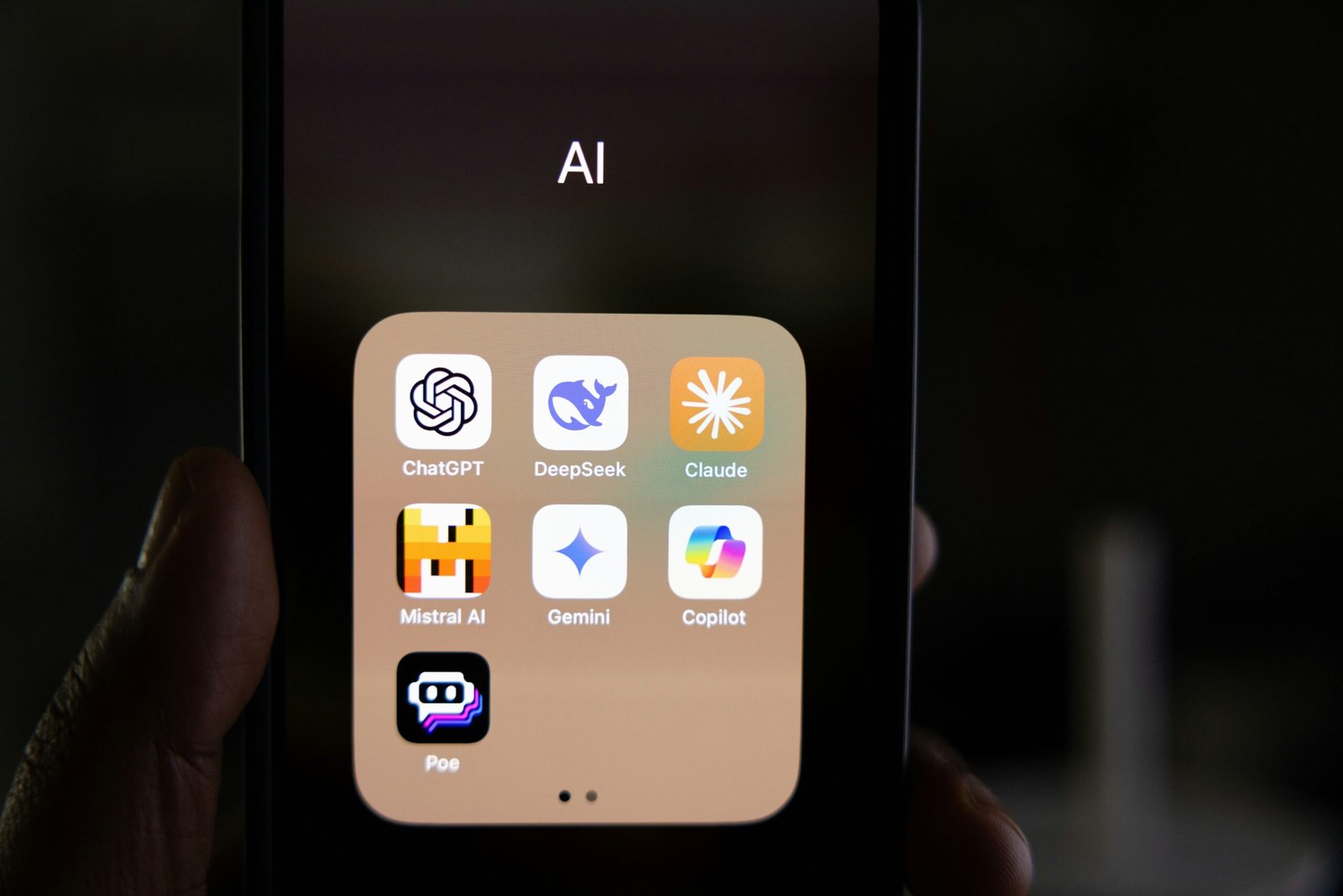
For years, Siri has been the punchline of the AI conversation: the assistant that can set a timer instantly… and then falls apart the second you ask something that requires context, nuance, or follow-through.
That’s why Apple’s newest move is so telling.
Apple confirmed a multi-year collaboration where the next generation of Apple Foundation Models will be based on Google’s Gemini models and cloud technology—and those models will help power future Apple Intelligence features, including a more personalized Siri arriving in 2026.
This isn’t “Apple gives up and lets Google run the show.” It’s Apple doing what it does best: owning the experience while borrowing the engine.
Think of it like this: Apple is building the car, Google is supplying the horsepower
Apple controls:
- the interface (Siri, iOS, system-level actions)
- the user experience (what’s allowed, what’s smooth, what feels “Apple”)
- the privacy story (on-device first, controlled cloud when needed)
Google, via Gemini, brings the part Apple has been criticized for lacking: frontier-level conversational and reasoning capability at scale.
That combination matters because assistants don’t succeed on vibes. They succeed on reliability.
Why Apple is doing this now
Apple has spent the last two years trying to thread a needle:
- ship modern generative AI features, and
- keep its privacy and device-first identity intact.
But Siri isn’t just a feature. It’s a promise. And when Siri underdelivers, users feel like the whole platform is behind.
A Gemini-powered Siri is Apple’s fastest way to:
- leapfrog years of iteration,
- raise the baseline quality of the assistant,
- and keep Apple Intelligence competitive with the “chat-first” assistants people are already using daily.
What “Gemini-powered Siri” could actually change in daily life
Apple and Google haven’t published a checklist of exact features Gemini will touch. What they have said is that Gemini-backed models will power future Apple Intelligence features, including a more personalized Siri.
So instead of guessing “Siri will do everything,” the better way to think about this is: what Siri has historically failed at.
1) Context that carries across your day
The biggest difference between “voice command” and “assistant” is memory and continuity.
A smarter Siri should be able to handle:
- “text my wife I’m running late” without asking three follow-ups,
- “remind me about this tomorrow” while knowing what “this” is,
- “play the podcast I listened to earlier” like it understands your timeline.
2) Multi-step tasks (the real unlock)
If Siri gets better at sequencing, the experience becomes less like barking commands and more like delegating:
“Find the email about my dentist appointment, add it to my calendar, and set a reminder two hours before.”
That’s the kind of request people want assistants to handle—and the kind Siri has historically struggled with.
3) Fewer “I can’t help with that”
The most frustrating Siri moments aren’t when it’s wrong—they’re when it gives up.
Better language understanding means less brittle phrasing, fewer dead ends, and more “I can do that” moments.
Privacy: the part Apple can’t afford to mess up
The second you mix “AI assistant” with “personal data,” the trust bar goes through the roof.
Apple’s public stance on Apple Intelligence is consistent:
- many requests are processed on-device, and
- more complex ones can route to Private Cloud Compute, where Apple says data isn’t stored and is used only to fulfill the request.
Apple also claims independent researchers can inspect the software running in Private Cloud Compute to verify the privacy promise.
So the real question users will ask is simple:
When Gemini is involved, what data (if any) leaves Apple’s control—and what guarantees exist?
Right now, we have the headline partnership and Apple’s PCC framework. The details will matter most at rollout.
The uncomfortable subtext: this is a power move for Google too
For Google, this is a distribution win.
A huge chunk of people on Earth carry an iPhone. Embedding Gemini into Apple’s AI layer makes “default assistant intelligence” a much bigger battlefield—especially as the market consolidates around a few foundational models.
And yes, it also invites the obvious scrutiny: Apple and Google already have a deep relationship (most famously around default search). Adding “AI infrastructure partner” into that mix will inevitably pull attention from regulators and critics.
What this means for designers and builders
If Siri gets genuinely useful again, product design shifts.
Because when assistants work, users start expecting:
- intent-first UX (say what you want, the system finds the path)
- fewer screens for routine tasks
- more automation inside apps (not just “smart replies”)
For founders and creators, it’s a reminder: the interface layer is becoming conversational, and the winners will be the products that feel effortless inside that new layer.
The takeaway
This deal isn’t Apple “choosing Google over itself.”
It’s Apple admitting something the industry already knows: in 2026, the AI race is less about who can demo the coolest model—and more about who can deliver reliable intelligence to billions of users without breaking trust.
If Apple gets the experience right, Siri stops being a meme and becomes what it was always supposed to be: a default way to get things done.
I’m curious how developers will adapt to the new capabilities Gemini brings to Siri. Enhanced AI features could open up opportunities for more sophisticated voice interactions and automation within apps. It also seems like a sign of how collaborative AI ecosystems are shaping the next wave of digital experiences.
It’s fascinating to see how Google’s decision to integrate Gemini into Siri could shift the AI assistant landscape, especially as Apple continues to invest heavily in its own Intelligence features. The move might push Apple to accelerate its internal AI development, potentially leading to more robust, privacy-focused innovations in 2026 and beyond. It’ll be interesting to watch how this plays out in terms of user experience and competitive differentiation.
It’s fascinating to see how Google’s decision to integrate Gemini into Siri could shift the AI assistant landscape, especially as Apple Intelligence continues to evolve. The move might push Apple to accelerate its own AI developments, potentially leading to more robust, on-device processing and better integration across their ecosystem. It’ll be interesting to watch how this plays out in terms of user experience and privacy expectations.
It’s fascinating to see Apple pivoting to Gemini to power Siri in 2026, as this partnership likely signals a major shift toward more context-aware assistance rather than just command execution. However, this raises an interesting question about how Apple will maintain its strict privacy differentiators when relying on a model built primarily on Google’s extensive data infrastructure.
The shift of Siri running on Google’s Gemini stack is a strategic move that could finally bridge the gap between Apple’s hardware and genuine AI utility, though it certainly raises questions about data privacy. I’m particularly curious to see how this integration affects the ‘Apple Intelligence’ ecosystem’s ability to stay distinct from Google’s broader ad-tech infrastructure. This cross-pollination of models might just be the catalyst needed to make voice assistants truly proactive by 2026.
It’s fascinating to see how the integration of Google’s Gemini could fundamentally shift Apple’s approach to Siri by 2026, especially regarding contextual understanding. This move likely signals a strategic pivot for Apple to compete more directly on generative capabilities rather than relying solely on on-device processing limitations. The timing with the broader AI landscape changes mentioned in your other articles really highlights how quickly ecosystem partnerships are evolving.
The integration of Gemini into Siri represents a massive shift in how Apple handles its AI ecosystem, moving them from relying solely on proprietary models to a more flexible, cross-platform approach. This partnership will likely force competitors to rethink their own strategies for on-device processing versus cloud-based reasoning in 2026.
It’s fascinating to see Google’s Gemini taking over Siri for Apple Intelligence in 2026, as this partnership suggests a major shift toward multimodal capabilities that could finally make virtual assistants feel truly intuitive. This move highlights how strategic alliances are becoming essential for companies to keep up with the rapid evolution of generative AI models. I’m curious to see how Apple’s strict privacy standards will be maintained while leveraging a third-party large language model for such core device functions.